
Finding inclusive gay games that offer genuine representation involves looking beyond surface-level character skins. While the independent gaming scene has expanded rapidly, the depth of inclusivity varies significantly between projects. Some titles integrate diverse identities into the core narrative, while others treat them as minor, optional aesthetic choices.
To find experiences that truly resonate, you need to evaluate how a game handles identity, body diversity, and relationship dynamics. Shifting past generic labels helps you pinpoint projects that offer meaningful representation rather than shallow checkboxes.
Prioritize authentic character depth over shallow tokens
True inclusivity means characters have distinct personalities, flaws, and motivations that exist independently of their sexual orientation. When browsing gay inclusive games, look for writing that allows characters to drive the plot rather than simply serving as static romance options.
Evaluating narrative depth comes down to a few distinct factors:
- Multi-dimensional writing: Characters should have personal backstories, career goals, or conflicts that do not solely revolve around coming out.
- Varied relationship dynamics: Look for stories that explore different types of connections, from casual flings to slow-burn emotional partnerships.
- Organic world-building: The setting should acknowledge and respect queer identities naturally, without making every interaction feel like an educational lecture.
Skip projects where queer characters are isolated to the background or written entirely around rigid, predictable tropes.
Look for gay games with diversity in body types and backgrounds
Inclusivity should extend to physical presentation and cultural backgrounds. Many mainstream and adult titles lean heavily on a narrow, highly idealized standard of male beauty. Seeking out gay games with diversity in their character design leads to much richer and more realistic experiences.
An inclusive roster should feature a wide spectrum of body types, including different heights, builds, and ages, rather than repeating the same muscular character model. Furthermore, look for titles that include characters from various racial and cultural backgrounds, ensuring their unique perspectives are treated with respect and nuance rather than being completely ignored by the writers.
Match the gameplay structure to your narrative preferences
How an inclusive LGBTQ games project handles choice directly impacts your immersion. If you enjoy shaping the protagonist’s personality, choose interactive visual novels or role-playing games featuring branching dialogue trees. These formats give you direct control over how your character expresses their identity and interacts with the world.
If you prefer a structured, authored story, look for linear narrative games where the developer focuses on telling a specific, deeply polished tale. Balancing these structural differences ensures you select a game format that aligns with your preferred pacing and play style, preventing you from getting bogged down in mechanics that do not interest you.
Focus on developer track records and community feedback
Before downloading a new title, check the developer’s history on indie storefronts or community platforms. Creative teams that actively engage with their audience and release regular updates are much more likely to deliver nuanced LGBTQ inclusive games. Reviewing community feedback helps you verify if a project treats its themes with care or if it relies on low-effort shortcuts to attract players.
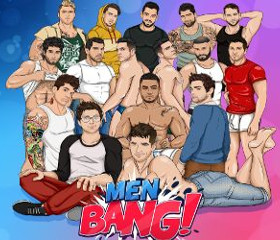 Men Bang
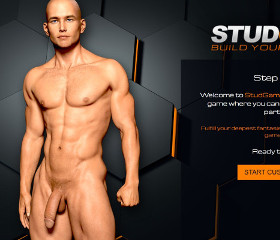 Stud Game
 LGBTQ games
 3D Gay Game
 3DXChat gay
 CandyAI gay
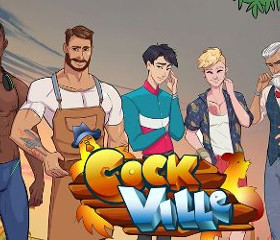 Cockville
 Gay Harem
 Fap CEO Men Stream
 Gay Harem
 Try not to cum
 VR Gay Games
 3DXChat gay
 Nutaku Gay
 Gay Game
 3D Gays